
Microplastics in Everyday Products: Hidden Sources Exposed
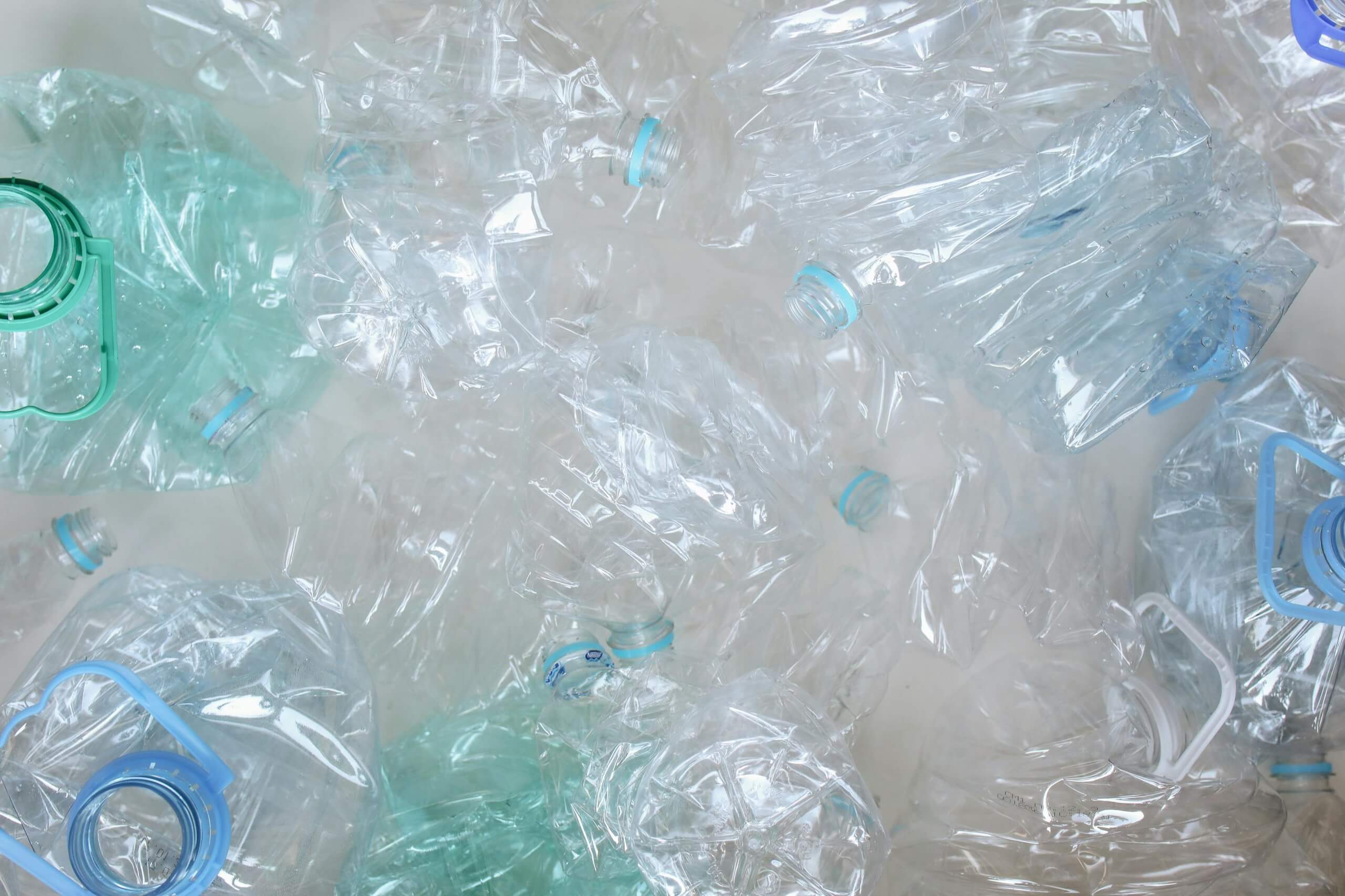
Microplastics are no longer just an environmental concern. They are part of everyday life.
These tiny plastic particles have been detected in food, water, air, and everyday household products. Exposure often comes from items used daily, not from rare or extreme situations. Understanding where microplastics hide and how to reduce avoidable exposure can help support long-term health without creating unnecessary stress.
For more education connecting environmental inputs to practical health habits, explore the Content Hub, where emerging research is broken down into clear, usable guidance.
What microplastics actually are
Microplastics are plastic particles generally smaller than 5 millimeters. Some are intentionally manufactured in small sizes, while others form as larger plastic products break down through heat, friction, or wear.
Health organizations and research institutions have confirmed that microplastics are present in drinking water, food, and air, which means exposure can occur through ingestion and inhalation. This does not mean panic is required, but it does mean daily exposure is real.
Because microplastics vary widely in size, shape, and chemical makeup, studying their effects is complex. What is clear is that modern lifestyles create repeated contact from multiple sources.
Common hidden sources of microplastics
Most exposure does not come from one obvious product. It comes from many small sources layered across the day.
Bottled water and beverage containers
Bottled water is one of the most well-documented sources of microplastic exposure. Studies have found plastic particles shed from packaging into the water itself, especially during transport, storage, or heat exposure.
Reusable plastic bottles can also shed particles over time. Switching to glass or stainless steel containers is one of the simplest ways to reduce exposure through this pathway.
Food packaging and storage
Plastic food packaging is another major contributor. Common examples include:
- Plastic wrap
- Takeout containers
- Prepackaged meals
- Plastic-lined cartons
Heating food in plastic containers increases particle shedding. Storing leftovers in glass and reheating food in ceramic or glass dishes can significantly lower exposure.
Kitchen tools and cookware
Many everyday kitchen tools shed microplastics through regular use:
- Plastic cutting boards
- Plastic utensils
- Worn nonstick cookware
- Silicone tools exposed to high heat
Plastic cutting boards release particles when knives scrape their surface. Wooden or bamboo boards tend to shed fewer synthetic materials over time.
Microplastics in personal care and household products
Exposure does not stop in the kitchen.
Personal care products
While many regions have restricted microbeads, microplastics can still appear indirectly in personal care products through synthetic polymers used for texture, binding, or appearance.
Products that may contribute include:
- Certain exfoliating scrubs
- Some cosmetics
- Toothpaste formulations
Choosing simpler formulations and reducing unnecessary products helps limit this source.
Synthetic clothing and textiles
Synthetic fabrics like polyester, nylon, and acrylic shed microfibers during wear and washing. These fibers enter wastewater and also become part of household dust.
Over time, this creates both ingestion and inhalation exposure. Choosing natural fibers when possible and washing synthetics less frequently can help reduce release.
Indoor dust and air
Microplastics have been detected in indoor dust, meaning inhalation is another exposure route. Homes with a high number of synthetic materials tend to have higher indoor particle loads.
Regular ventilation, wet dusting, and vacuuming with HEPA filters can help lower indoor exposure.
Why microplastics raise health questions
Research on microplastics and human health is still developing, and definitive conclusions are limited. However, scientists are actively studying several potential concerns:
- Accumulation in tissues
- Transport of chemical additives or environmental toxins
- Interaction with the gut environment
- Effects on immune signaling
Recent reviews have highlighted that microplastics are present in human tissues and called for more research on long-term implications. This does not mean harm is guaranteed. It does mean reducing unnecessary exposure is a reasonable precaution.
The gut connection matters
Microplastics interact with the digestive system first.
Emerging research suggests microplastics may influence gut barrier function and microbiome balance, particularly in experimental models. If digestion is already compromised, the gut may be less resilient to environmental stressors.
This connection is explored further in how microplastics affect gut health, immunity, and longevity, which breaks down why gut integrity matters in a high-exposure world.
Supporting digestion through food quality, fiber intake, hydration, and stress management helps strengthen this first line of defense.
Practical ways to reduce daily microplastic exposure
Eliminating exposure is unrealistic. Reducing the biggest contributors is achievable.
Make smarter food and drink choices
High-impact changes include:
- Using glass or stainless steel water bottles
- Storing food in glass containers
- Avoiding heating food in plastic
- Reducing reliance on heavily packaged foods
These swaps address some of the most common ingestion sources.
Update kitchen tools over time
Replacing the most worn items first is a practical approach:
- Swap plastic cutting boards for wood or bamboo
- Replace heavily scratched nonstick cookware
- Use stainless steel or cast iron when possible
There is no need to replace everything at once.
Be intentional with clothing and laundry
To reduce microfiber release:
- Choose natural fibers when available
- Wash synthetics on gentler cycles
- Use cold water when possible
- Avoid over-washing
Small adjustments reduce cumulative exposure.
Improve indoor air quality
Simple habits help lower airborne particles:
- Open windows regularly when outdoor air quality allows
- Vacuum with HEPA filtration
- Dust with damp cloths instead of dry sweeping
Cleaner air supports respiratory health and reduces particle load.
Supporting the body in a high-exposure environment
Reducing exposure is only part of the equation. Supporting the body’s resilience matters just as much.
Foundational habits include:
- A fiber-rich diet that supports gut health
- Adequate hydration
- Consistent sleep
- Regular movement
- Stress management
These habits support digestion and immune balance, which play a role in how the body handles environmental inputs.
If digestion feels like a weak link, the Free Resources section offers simple starting points, and more structured guidance is available through Programs for those who want a clear plan.
What not to do: avoid panic and extremes
Microplastics are a real issue, but extreme responses can backfire.
There is no need to:
- Throw away everything plastic overnight
- Obsess over trace exposures
- Buy expensive “detox” products
Progress matters more than perfection. Focus on the most significant, most controllable sources first.
A simple 7-day exposure reduction plan
For a low-stress start, try this for one week:
- Switch to a non-plastic water bottle
- Replace one plastic food container with a glass one
- Avoid heating food in plastic
- Eat one extra whole-food meal per day
- Ventilate indoor spaces daily when possible
Notice what feels easy to maintain. Sustainable changes compound.
If you want help prioritizing the most impactful steps for your lifestyle, reach out through Contact Our Team for guidance tailored to your goals.
Frequently asked questions
Are microplastics really in food and water?
Yes. Studies have detected microplastics in bottled water, seafood, salt, and indoor air. Exposure is widespread but varies by source.
Can microplastics affect gut health?
Research is ongoing, but experimental studies suggest microplastics may interact with the gut environment. Human research is still developing.
Is bottled water worse than tap water?
Some studies have found higher microplastic counts in bottled water due to packaging. Container choice plays a significant role.
Should plastic cookware be avoided altogether?
Heavily scratched or damaged cookware sheds more particles. Replacing worn items first is a practical strategy.
Can the body eliminate microplastics?
Research is still evolving. Reducing avoidable exposure is currently the most reliable approach.